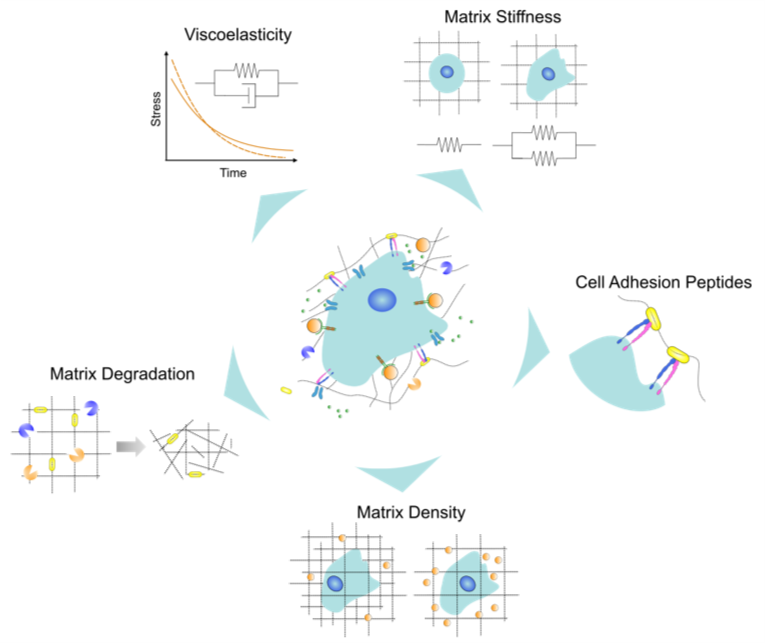
55. Stern B, Han J, Halwachs K, Larsen B, Cheng K, Tran D, Parker P, Momtahan N, Baker A, Peppas N, Rosales A, Zoldan J. “Dynamic stiffening to improve vasculogenesis of hiPSC-Derived endothelial progenitors”. Biomaterials (2026)
54. Cheng K, Lim E, Stern B, Zoldan J, Peppas N. “Degradable multi-arm PEG hydrogels with tunable stiffness and diffusivity”. Biomaterials Science (2026)
53. Momtahan N, McClain A, Trementozzi A, Sohn S, Qiao L, Zhao C, Rangamani P, Stachowiak, Zoldan J . “Connexin 43-Enriched Vesicles Improve Synchronization in hiPSC-Derived Cardiomyocytes.” Advanced Science (2026)
52. Sohn S, Morgan D, Callahan C, Dockery K, Brock A, Zoldan J, “Cell barcoding reveals lineage-dependent outcomes in hiPSC cardiac differentiation”. Stem Cells (2026)
51. Kalkunte N, Sohn S, Callahan C, Delambre T, Momtahan N, Meng S, Brock A, Zoldan J. “Development of low-cost electrical stimulation device to promote hiPSC-CM differentiation and functionality”. APL Bioengineering (2026)
50. A, Moshksayan K, Momtahan N, Ben-Yakar A, Zoldan J. “Evaluating Seeding Density Effects on Cardiac Organoid Health and Functionality for Toxicity Studies”. Tissue Engineering Part A (2026)
49. S. Sohn, N. Momtahan, L. M. Stevens, , “Modulating Hydrogel Stiffness Through Light-Based 3D Printing to Mimic Cardiac Fibrosis and Cardiomyocyte Dysfunction Using hiPSC-Derived Cells.” Journal of Biomedical Materials Research Part A (2025)
48. Stern B, Meng S, Larsen B, Brock A, Zoldan J. “Differentiation Protocol-Dependent Variability in hiPSC-Derived Endothelial Progenitor Functionality”. Regenerative Engineering and Translational Medicine (2025)
47. Nazemidashtarjandi S, Larsen B, Cheng K, Faulkner S, Peppas NA, Parekh SH, Zoldan J. “Near-infrared light-responsive hydrogels for on-demand dual delivery of proangiogenic growth factors”. Acta Biomaterialia (2024)
46. Mcclain AK, Monteleone PP, Zoldan J. “Sex in cardiovascular disease: Why this biological variable should be considered in in vitro models”. Science Advances (2024)
45. Kalkunte N, Cisneros J, Castillo E, Zoldan J. A review on machine learning approaches in cardiac tissue engineering. Frontiers in Biomaterials Science (2024)
44. Stern B, Monteleone P, Zoldan J. “SARS–CoV-2 spike protein induces endothelial dysfunction in 3D engineered vascular networks”. Journal of Biomedical Materials Research (2024)
43. N.F. Huang, B. Stern, B.P. Oropeza, T.S. Zaitseva, M.V. Paukshto, J. Zoldan. “Bioengineering Cell Therapy for Treatment of Peripheral Artery Disease”. Arteriosclerosis, Thrombosis, and Vascular Biology (2024)
42. K. Moshksayan, A. Harihara, S. Mondal, E. Hegarty, T. Atherly, D.K. Sahoo, A.E. Jergens, J.P. Mochel, K. Allenspach, J. Zoldan, A. Ben-Yakar. “OrganoidChip facilitates hydrogel-free immobilization for fast and blur-free imaging of organoids”. Scientific Reports (2023)
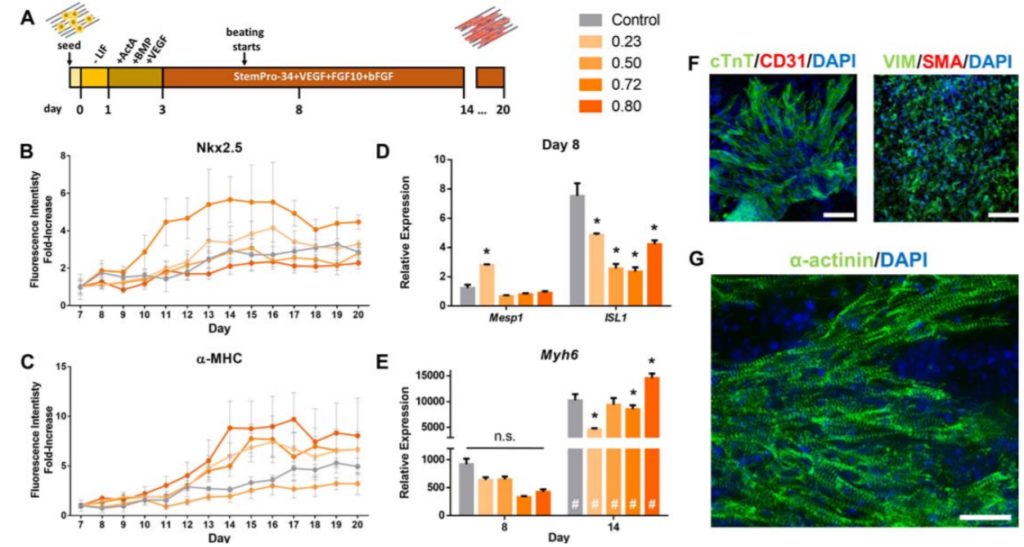
41. N.G. Kalkunte, T.E. Delambre, S. Sohn, M. Pickett, S. Parekh, J. Zoldan. “Engineering Alignment Has Mixed Effects on Human Induced Pluripotent Stem Cell Differentiated Cardiomyocyte Maturation”. Tissue Engineering Part A (2023)
40. K. Moshksayan, A. Harihara, S. Mondal, E. Hegarty, J. Zoldan, A. Ben-Yakar. “A microfluidic chip with immobilization chambers for cardiac organoid imaging”. Microfluidics, BioMEMS, and Medical Microsystems (2023)
39. B. Stern, P. Monteleone, J. Zoldan. “SARS‐CoV‐2 spike protein induces endothelial dysfunction in 3D engineered vascular networks”. Journal of Biomedical Materials Research Part A (2022)
38. A. Paul, S. Kumar, T.S. Kaoud, M.R. Pickett, A.L. Bohanon, J. Zoldan, K.N.Dalby, S.H. Parekh. “Biomechanical dependence of SARS-CoV-2 infections”. ACS Applied Bio Materials (2022)
37. C.O. Crosby, B. Stern, N. Kalkunte, S. Pedahzur, S. Ramesh, J. Zoldan. “Interpenetrating polymer network hydrogels as bioactive scaffolds for tissue engineering”. Reviews in chemical engineering (2022)
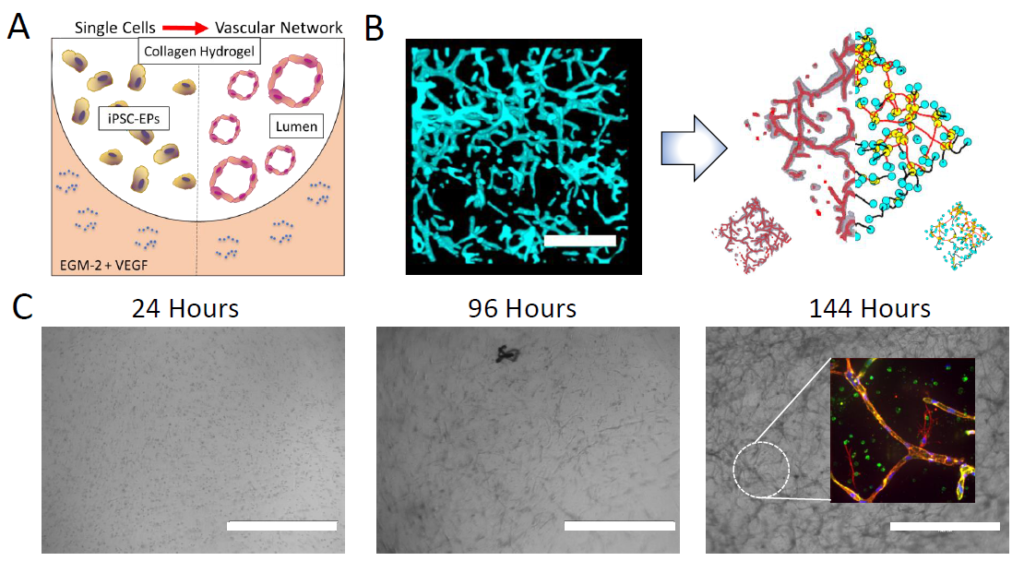
36. C.O. Crosby, A. Hillsley, S. Kumar, B. Stern, S.H. Parekh, A. Rosales, J. Zoldan. “Phototunable interpenetrating polymer network hydrogels to stimulate the vasculogenesis of stem cell-derived endothelial progenitors”. Acta biomaterialia (2021)
35. V. Barnhouse, N. Petrikas, C. Crosby, J. Zoldan, B Harley. “Perivascular secretome influences hematopoietic stem cell maintenance in a gelatin hydrogel” Annals of biomedical engineering (2021)
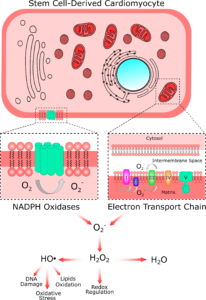
34. Nima Momtahan, Crosby C., & Zoldan, J. “The role of reactive oxygen species in in vitro cardiac maturation”. Trends in Molecular Medicine (2019)
33. W. Goth, S. Potter, A. Allen, J. Zoldan, M. S. Sacks, and J. W. Tunnell, “Non-destructive reflectance mapping of collagen fiber alignment in multi-layered tissues”, Annals of Biomedical Engineering (2019).
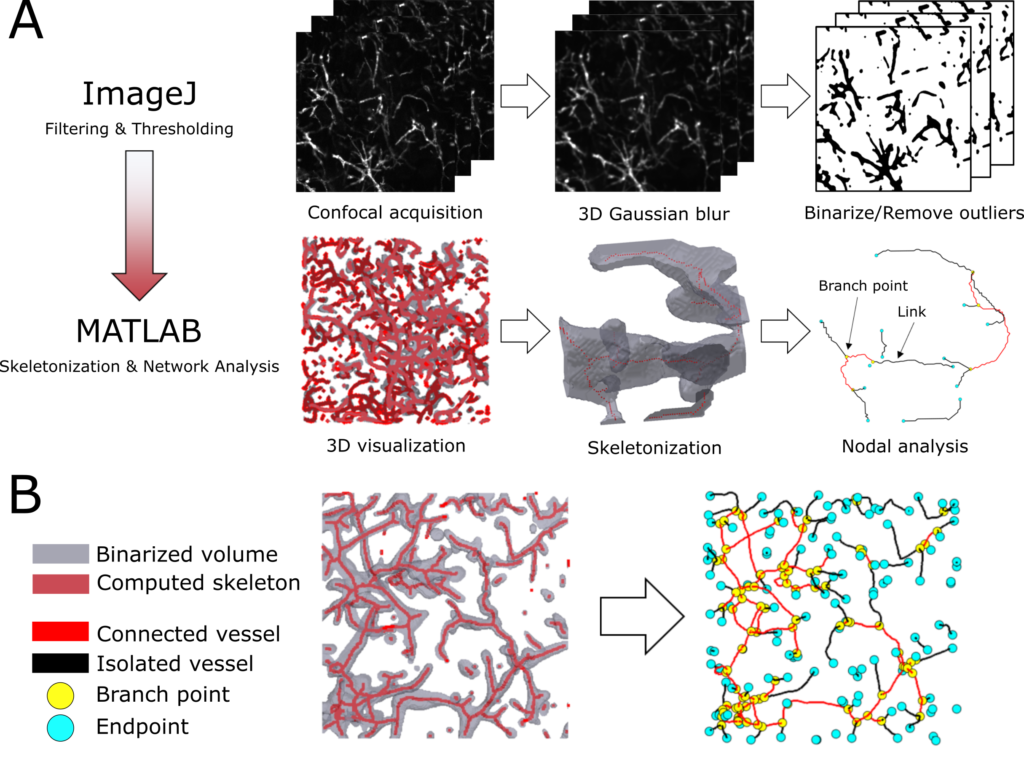
32. Cody Crosby & Zoldan, J. “An in vitro 3D model and computational pipeline to quantify the vasculogenic potential of iPSC-derived endothelial progenitors”. JoVE (2019)
31. Cody Crosby & Zoldan, J. “Mimicking the physical cues of the ECM in angiogenic biomaterials”. Regenerative Biomaterials (2019)
30. Alicia Allen, Barone, E., Momtahan, N., Crosby, C., Tu, C., Deng, W., Polansky, K., & Zoldan, J. “.Temporal Impact of Substrate Anisotropy on Differentiating Cardiomyocyte Alignment and Functionality.” Tissue Engineering, Part A (2019)
29. Cody Crosby, Valliappan, D., Shu, D., Kumar, S., Tu, C., Deng, W., Parekh, S.H., & Zoldan, J. “Quantifying the vasculogenic potential of iPSC-derived endothelial progenitors in collagen hydrogels.” Tissue Engineering, Part A (2019)
28. Chengyi Tu and J. Zoldan*, “Moving iPSC-derived cardiomyocytes forward to treat myocardial infarction”, Cell Stem Cells (2018).
27. Chengyi Tu, Allen, A., Deng, W., Conroy, O., Nambiar, M., & Zoldan, J. “Commonly used thiol-containing antioxidants reduce cardiac differentiation and alter gene expression ratios of sarcomeric isoforms.” Experimental Cell Research (2018)
26. A.K. Gadok, C. Zhao, A. Meriwether, S. Ferrati, T. Rowley, J. Zoldan, H.D.C. Smyth, and J.C. Stachowiak, “Display of single-domain antibodies on the surfaces of connectosomes enables gap junction-mediated drug delivery to specific cell populations”, Biochemistry (2017).
25. S. Aday, J. Zoldan, M. Besnier, L. Carreto, J. Saif, R. Fernandes, T. Santos, L. Bernardino, R. Langer, C. Emanueli and L. Ferreira, “Synthetic microparticles conjugated with VEGF165 improve the survival of endothelial progenitor cells via microRNA-17 inhibition.” Nature Communications (2017).
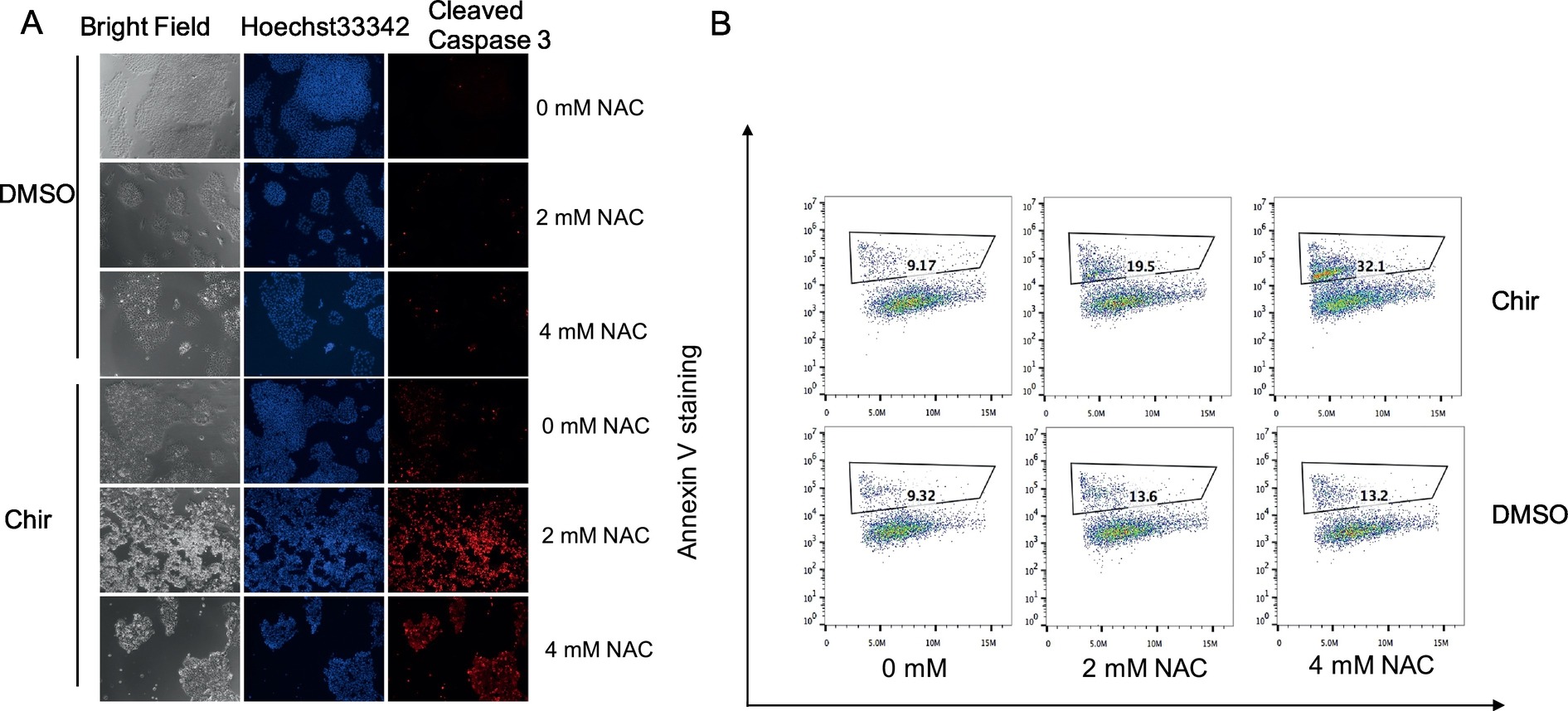
24. Chengyi Tu, Xu, R., Koleti M., & Zoldan, J. “Glycogen synthase kinase-3 inhibition sensitizes human induced pluripotent stem cells to thiol-containing antioxidants induced apoptosis.” Stem Cell Research (2017)
23. Alicia Allen, Barone, E., Crosby, C., Suggs, L. J., & Zoldan, J. “Electrospun poly (N-isopropyl acrylamide)/poly (caprolactone) fibers for the generation of anisotropic cell sheets.” Biomaterials Science (2017)
22. Y. Cha, M-J. Han, H-J Cha, J. Zoldan, A. Burkart, J.H. Jung, Y. Jang, C-H Kim, H-C Jeong, B.G. Kim, R. Langer, C.R. Kahn, L. Guarente, and K-S Kim. “Metabolic control of primed human pluripotent stem cell fate and function by the miR-200c-SIRT2 axis.” Nature Cell Biology (2017).
21. Y. Liu, A. Nguyen, A. Allen, J. Zoldan, Y. Huang, and J.Y. Chen. “Regenerated cellulose micro-nano fiber matrices for transdermal drug release.” Materials Science and Engineering, C. (2017).
20. N. Katta, Rector, J.A., Gardner, M.R., McElroy, A.B., Choy, K.C., Crosby, C., Zoldan, J. and Milner. “Image-guided smart laser system for precision implantation of cells in cartilage.” SPIE Medical Imaging (2017).
19. N. Dana, Fowler, R.A., Allen, A., Zoldan, J., Suggs, L., & Emelianov, S. “In Vitro Photoacoustic Sensing of Calcium Dynamics with Arsenazo III”. Laser Physics Letters (2016).
18. Chengyi Tu, Santo, L., Mishima, Y., Raje, N., Smilansky, Z., & Zoldan, J.. “Monitoring protein synthesis in single live cancer cells.” Integrative Biology (2016).
17. K. Baek, Tu, C., Zoldan, J., & Suggs, L. J. “Gene Transfection for Stem Cell Therapy” Current Stem Cell Reports, (2016).
16. Chengyi Tu, Das, S., Baker, A. B., Zoldan, J., & Suggs, L. J. “Nanoscale strategies: treatment for peripheral vascular disease and critical limb ischemia.” ACS Nano (2015).
Before UT Austin
15. A. Sharei, N. Cho, S. Mao, E. Jackson, R. Poceviciute, A. Adamo, J. Zoldan, R. Langer, K.F. Jensen, “Cell squeezing as a robust, microfluidic intracellular delivery platform.” Journal of Visual Experiments (2013).
14. A. Sharei+, J. Zoldan+, A. Adamo+, W-Y. Sim, N. Cho, E. Jackson, S. Mao, S. Schneider, M-J. Han, A. Lytton-Jean, P.A. Basto, S. Jhunjhunwala, J. Lee, D.A. Heller, J-W. Kang, G.C. Hartoularos, K-S. Kim, D.G. Anderson, R. Langer, and K.F. Jensen, “A vector-free microfluidic platform for intracellular delivery.” PNAS (2012). +Equal contribution.
13. I. Shichor, N. Shomron, M.W. Lawlor, S.A. Bae, J. Zoldan, R. Langer, and D.S. Kohane, “Toxicogenomic analysis of a sustained release local anesthetic delivery system.” Biomaterials (2012).
12. J. Zoldan, A. Lytton-Jean, E. D. Karagiannis, K. Deiorio-Haggar, L. Bellan, R. Langer, and D.G. Anderson, “Directing human embryonic stem cell differentiation by non-viral delivery of siRNA in 3D culture.” Biomaterials (2011).
11. J. Zoldan, E. D. Karagiannis, C.Y. Lee, D.G. Anderson, R. Langer, and S. Levenberg, “The influence of scaffold elasticity on germ layer speciation of human embryonic stem cells.” Biomaterials (2011).
10. M. Levy-Mishali, J. Zoldan, and S. Levenberg, “Effect of scaffold stiffness on myoblast differentiation.” Tissue Engineering Part A (2009).
9. Y. Lumelsky, J. Zoldan, S. Levenberg, and M. Silverstein, “Porous polycaprolactone-polystyrene semi-interpenetrating polymer networks synthesized within high internal phase emulsions.” Macromolecules (2008).
8. S. Levenberg, J. Zoldan, Y. Basevitch and R. Langer, “Endothelial potential of human embryonic stem cells.” Blood (2007).
7. J. Zoldan, A. Siegmann, and M. Narkis, “Polypropylene/nylon-66/carbon black Blends processed at temperatures just below the nylon melting: anisotropy in structure and properties.” Macromolecular Symposia (2006).
6. J. Zoldan, A. Siegmann, and M. Narkis, “Anisotropy in the structure and electrical resistance of PP/NY/CB blends processed below the melting temperature of NY.” Journal of Polymer Engineering and Science (2006).
5. J. Zoldan and S. Levenberg, “Engineering three‐dimensional tissue structures using stem cells.” Methods in Enzymology (2006).
4. J. Zoldan, A. Siegmann, and M. Narkis, “Dielectric spectroscopy of anisotropic carbon black containing polypropylene/nylon-66 blends.”, Journal of Macromolecular Science, Part B: Physics (2006).
3. J. Zoldan, A. Siegmann and M. Narkis, “In-situ fibrillation of Ny6/6 during processing of PP/Ny6/6 blends, slightly below the Ny6/6 melting temperature.” Journal of Macromolecular Science, Part B: Physics (2005).
2. J. Zoldan, A. Siegmann, and M. Narkis, “Encapsulation during melt processing of ternary immiscible polymer blends.” Journal of Polymer Engineering (2003).
1. I. Fisher, J. Zoldan, A. Siegmann, and M. Narkis, “Interface modification and characterization in three-component polymer blends.” Polymer Composites (2000).